One Cart, $25, Five Days: My Exact Snack and Lunchbox Shopping Run (With Prices)
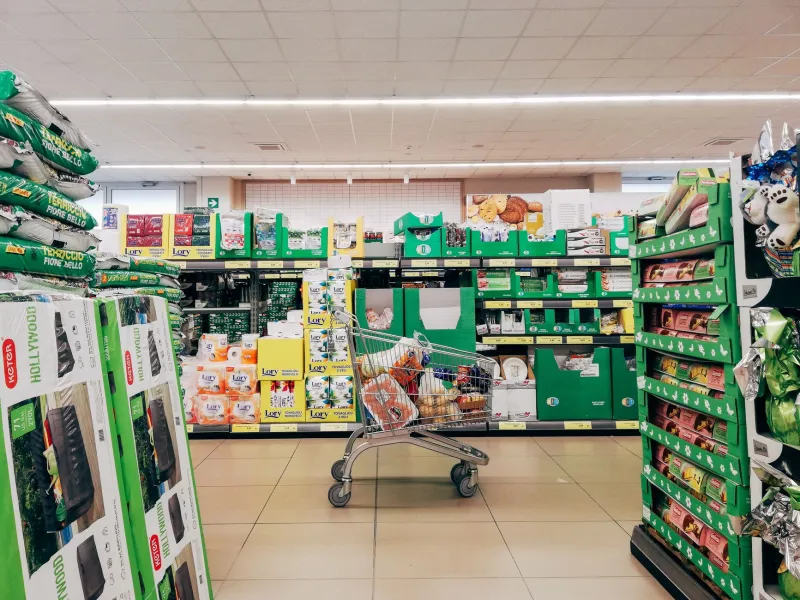
I did something a little nerdy last Tuesday: I brought my phone into the store, narrated every choice out loud (yes, people stared), and documented a complete snack-and-lunchbox run that came to $24.83.
Not a haul video. Not a "budget-friendly ideas" roundup with vague prices. An actual receipt, item by item, with the swaps that made it work. Because I'm tired of watching budget grocery content that assumes you have a deep pantry, a Costco membership, and three freezers.
This cart assumes almost nothing. Here's the whole run.
The Ground Rules
Before I share the list, know the constraints I gave myself:
- $25 max, tax included where I shop
- Must cover five school days of lunchbox fillers plus after-school snacks for four kids
- No relying on things I already had — this is a from-scratch cart
- Store brands only, unless the name brand was genuinely cheaper per unit (it happens!)
I shopped at Aldi for this run, but I've priced the same list at Walmart and Kroger, and it lands between $24 and $29 at all three. I'll note where the differences matter.
The Cart, Item by Item
Popcorn kernels, 2 lb bag — $2.15. This is the single best dollar in the cart. A two-pound bag makes roughly 40 servings of popcorn. Compare that to microwave popcorn boxes at about 30 cents a bag, or bagged popcorn at $3-plus. Five minutes on the stove with a splash of oil and the kids think it's a treat.
Store-brand pretzel twists, 16 oz — $1.79. Name brand was $3.49 for the same weight. Same ingredient list. Same pretzel.
Raisins, 24 oz bag — $2.49. Portioned into small reusable containers, this is weeks of lunchbox fruit. The little single-serve boxes run about 5x the per-ounce price.
Bananas — $1.60 (about 2 lbs). At 49 cents a pound, bananas remain the undefeated champion of affordable fruit. They even come pre-packaged in their own compostable wrapper.
Carrots, 2 lb bag — $1.95. Whole carrots, not baby carrots. My kids will eat whole carrots cut into coins just as happily as the ones that cost 60% more per pound to have someone else cut for them.
Peanut butter, 40 oz jar — $3.45. The big jar. Per ounce, it beats the 16 oz jar by nearly half. This covers PB sandwiches, apple dipper duty, and a spoonful-of-dinner-is-coming protein bribe.
Whole wheat crackers, store brand, 2 boxes — $2.98. I checked the unit price sticker on the shelf: the store brand came in at 12 cents per ounce versus 23 cents for the name brand sitting right next to it.
Block of Colby cheese, 1 lb — $2.79. Cubing your own cheese takes ninety seconds and costs a fraction of pre-cubed or string-cheese packs. This was the biggest unit-price win of the trip.
Frozen peas, 1 lb — $1.25. My youngest eats frozen peas straight from the bag like they're candy. I've stopped questioning it.
Tortillas, 10-count — $1.89. The workhorse. Quesadillas, roll-ups with PB, pinwheel sandwiches cut into coins.
Applesauce, store brand 6-pack cups — $2.29. One of the few single-serve items worth it for lunchbox sanity, and the store brand undercut the name brand by $1.20 for the identical pack.
Popcorn salt and a bag of store-brand chocolate chips — $3.19 combined. The chocolate chips get rationed into homemade trail mix. More on that below.
Total: $24.83.
The Three Unit-Price Habits That Changed Everything
If you take nothing else from this article, take these:
1. Read the shelf tag, not the package. Every major US chain — Aldi, Walmart, Kroger, Safeway — prints the price per ounce or per unit on the shelf tag. The bigger box is almost always cheaper per ounce, but not always. I've found 32 oz jars beating 40 oz jars per ounce more than once.
2. Buy the version that still has work left in it. Whole carrots, block cheese, popcorn kernels, big yogurt tubs versus cups. You're paying someone else to do a task that takes you two minutes.
3. Single-serve packaging is a tax on busy parents. I get it — I really get it. But a $4 box of pre-portioned crackers is $4 of packaging. A set of small reusable containers pays for itself in two weeks.
How It Plays Out Over the Week
Each lunchbox gets a rotation: a sandwich or roll-up, a fruit (banana, raisins, or applesauce), a crunchy item (crackers or pretzels), and a cubed-cheese or peanut butter protein. After school, the after-4pm stampede gets popcorn, carrot coins, frozen peas, or "trail mix" — pretzels, raisins, and a small pour of chocolate chips shaken in a jar.
Does it feel as exciting as a big snack haul? No. Did anyone complain? Also no. Kids adapt to the available snacks with remarkable speed when the alternative is nothing.
Your Master List
Here's the recreate-it-anywhere version:
- Popcorn kernels (2 lb)
- Pretzels (16 oz, store brand)
- Raisins (24 oz)
- Bananas (2 lbs)
- Whole carrots (2 lbs)
- Peanut butter (large jar)
- Whole wheat crackers (2 boxes, store brand)
- Block cheese (1 lb)
- Frozen peas (1 lb)
- Tortillas (10-count)
- Applesauce cups (6-pack)
- Chocolate chips (small bag)
At Walmart, the same list ran me $26.40 on my check. At Kroger with a loyalty card, $28.15 — still under $30, and the produce quality was the best of the three.
The point isn't the exact number. The point is that feeding a family's snack shelf well doesn't require a haul, a hauler, or a haul-sized budget. It requires a shelf tag and ninety seconds of math. You've got both.