The Two-Track Dinner Is Broken: What Happened When My Kids Ate What We Ate
Here's a confession that would have surprised me five years ago: for a long stretch of our family's life, I ate more chicken tenders than my kids did.
Not because anyone forced me. Because I cooked two dinners — one for them, one for us — and somewhere in the chaos of the evening, my husband and I started just eating whatever kid meal was left in the pan. Dinosaur-shaped nuggets at 8pm, standing at the counter. Mac and cheese on a Tuesday because it was easier than making the adult version of dinner and then making the kid version of dinner.
The two-track dinner system doesn't just fail kids. It quietly fails adults, too. And I think it's time we talked about it.
Where the Kid Menu Came From (and Why We Cling to It)
The American kid menu is a restaurant invention that escaped the restaurant. Chicken tenders, buttered noodles, grilled cheese — these became "food kids eat" because they're cheap, fryable, and impossible to complain about. Somewhere along the way, we imported that logic into our homes and built entire grocery routines around it.
And I understand the pull, believe me. When you've worked all day and the clock says 6:15, the path of least resistance is a plate you know won't get thrown. Serving "kid food" feels like an act of love. It's conflict avoidance dressed up as caregiving.
But here's what I noticed in my own kitchen: the longer the kid menu ran, the narrower my kids' palates got — and mine got narrower right along with them. When you eat tender after tender, your tolerance for actual texture and actual seasoning erodes. Adults who live on the kid menu end up with the same restricted eating patterns we worry about in toddlers. We just have better vocabularies for justifying it.
The Night We Retired the Two-Track System
I didn't do it dramatically. There was no family meeting, no speech about nutrition. One night I simply cooked one dinner — a simple chicken and rice skillet with a side of roasted broccoli — and served everyone the same plate. Smaller for the kids, but the same food.
My then-six-year-old looked at the broccoli like I'd personally betrayed him. I said the only sentence I now repeat at every dinner: "You don't have to eat it. It's just part of dinner."
That sentence did more than any hidden-veggie recipe ever did. It removed the power struggle. The broccoli wasn't a test to pass or a battle to win. It was just... there. On the plate. Being broccoli.
The Gradual Transition That Actually Worked
If your family is deep in the two-track system, going cold turkey will backfire. Here's the ramp we used, over about two months:
Weeks 1–2: One shared side. The main dish could still be kid-friendly, but everyone ate the same vegetable or side. No negotiation, no alternatives.
Weeks 3–4: One meal, two presentations. Same spaghetti, but the kids' portion had sauce served separately. Same tacos, deconstructed for the little ones. Deconstruction isn't short-order cooking — it's the same food, arranged differently.
Weeks 5–6: Retire the fallback. This was the hard one. No more cereal-or-nugget backup if dinner was rejected. A rejected dinner meant the plate stayed on the table and everyone stayed at it. Nobody starved. Nobody will starve.
Weeks 7–8: Full merge. One dinner, one menu, adjusted portions. By now, the kids had seen enough repeated exposure that most meals had at least one thing they'd happily eat.
There were meltdowns. I won't pretend otherwise. There was one spectacular night involving a full-body protest over salmon. But the protests faded faster than I expected — within about three weeks, the novelty of complaining wore off because complaining never changed the menu.
What Changed for Everyone (Including Me)
The kids' palates widened, sure. My youngest now requests roasted carrots, which still shocks me. But the bigger surprise was what happened to my husband and me.
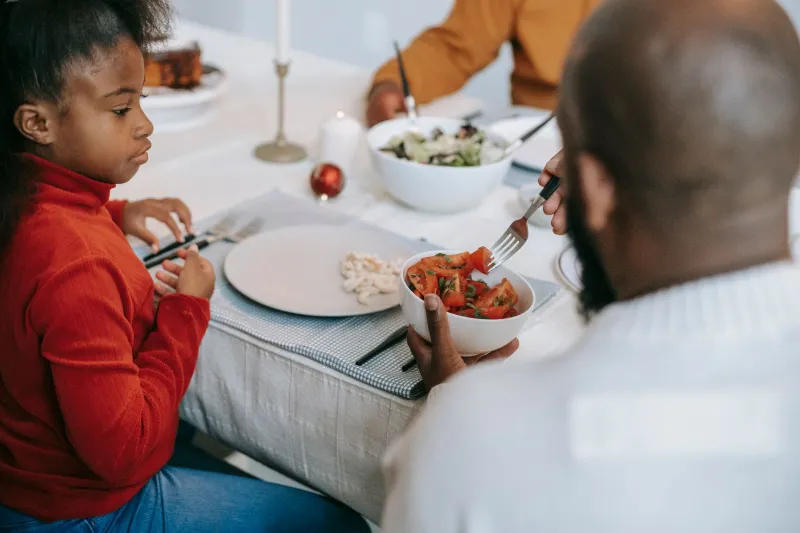
Cooking one meal meant we cooked real meals again. I stopped defaulting to the beige plateau of nuggets-and-noodles because it was no longer on the menu for anyone. My own vegetable intake went up. Our grocery bill went down, because we weren't buying two parallel food systems. And dinner became — genuinely — the one time of day the whole family sat at the same table eating the same food.
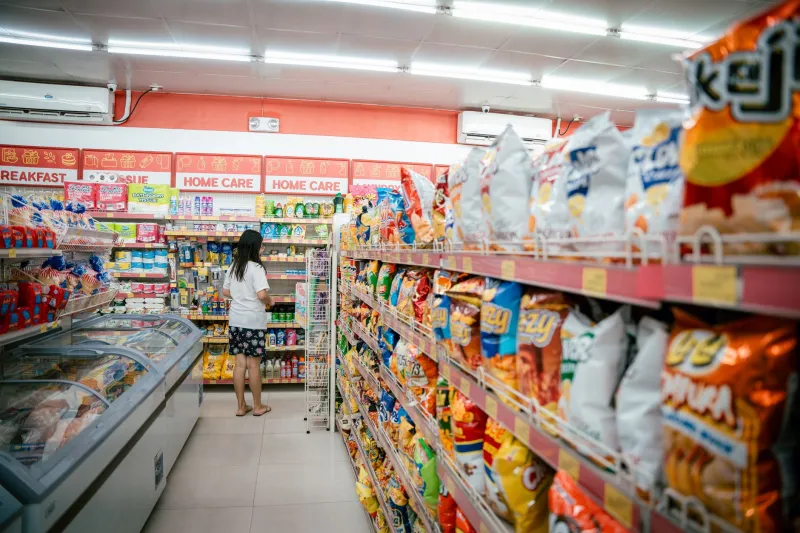
There's something quietly radical about that in 2020s America, where food is so segmented by demographic that grocery stores have entire "kid cuisine" aisles.
If You Take One Thing From This
The kid menu isn't serving your kids, and it isn't serving you. Children learn to eat the food their family eats — that's how it works in most of the world, where the concept of a separate children's dinner barely exists. And adults deserve better than the leftovers of a system designed by restaurant fryers.
One meal. Same table. Smaller portions for small people, and a standing offer that nobody has to clean their plate. That's the whole philosophy.
It's not a trick. It's just dinner — for everyone.