Skip the Neon Bottles: The Homemade Sports Drink My Kids Chugged All Soccer Season
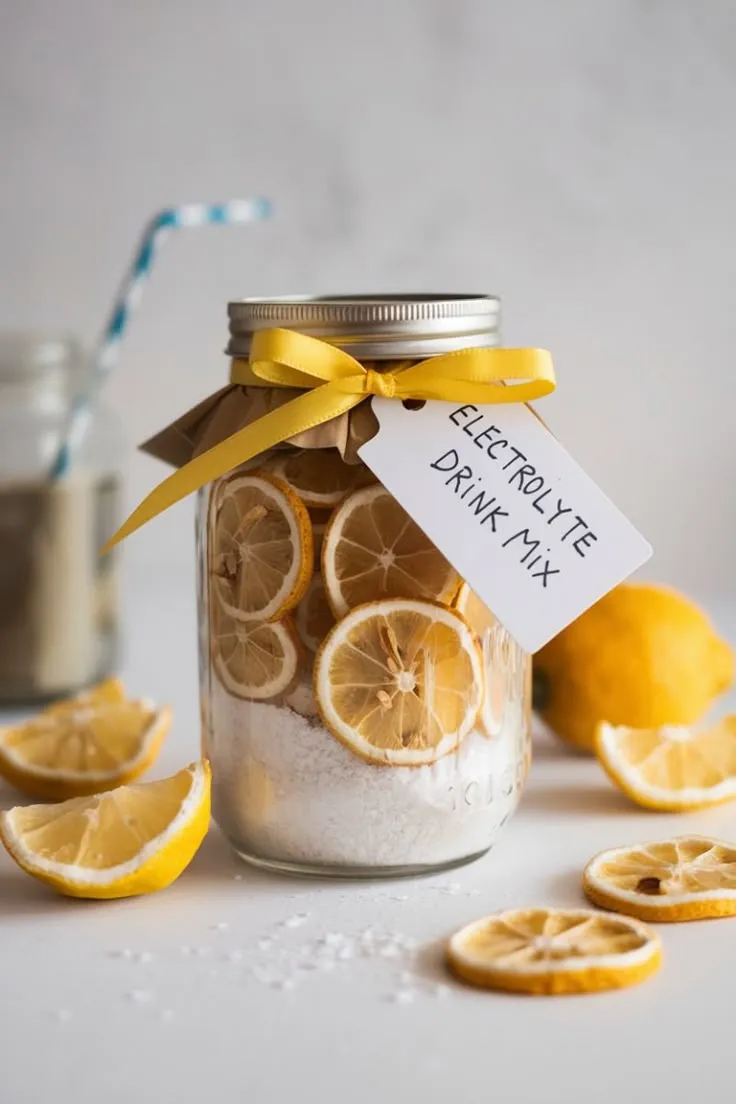
Photo: homemade citrus electrolyte drink mason jar kids soccer sideline, via www.nikkisplate.com
If you've ever stood in the checkout line at a Saturday morning tournament, you know the drill. Four kids, four sideline snacks, and a cooler full of sports drinks that cost more per ounce than fancy coffee. Last summer, I decided to run an experiment in my own kitchen: could a homemade electrolyte drink — the kind with actual science behind it — hold up against the neon bottles my kids begged for?
Spoiler: yes. And it cost us about 30 cents a batch.
First, Do Kids Even Need Electrolytes?
Let's start with the honest answer, because I went down a rabbit hole of sports nutrition research before mixing a single glass: most kids playing a one-hour rec soccer game do NOT need a sports drink. Water is genuinely enough for most practices and games.
But there are real exceptions. When my 10-year-old had back-to-back tournament games in 95-degree July heat, when practice ran long in the middle of the afternoon, or when one of my kids was visibly sweating through their shirt and refusing lunch — that's when electrolytes matter. Kids actually feel dehydration and heat differently than adults; they heat up faster and often don't feel thirsty until they're already running low.
The basic science is simple: when you sweat, you lose water, sodium, and a little potassium. A good sports drink replaces those three things. The good news? Salt, citrus, and a touch of honey do exactly the same job for a fraction of the price — and without the neon food dyes I can't pronounce.
The Backyard Taste Test
I made three homemade versions and lined them up against a popular store-bought sports drink on a hot Saturday after practice. My kids rated everything on a scale of 1 to 10, and I rated them on how fast the glasses came back empty.
The verdict, in order of finish:
- Honey-Citrus Cooler — the runaway winner (9/10 from both kids)
- Coconut Water Splash — a close second, lighter and less sweet
- Maple Sea Salt Sipper — my husband's pick, but too "earthy" for the kids
- The store-bought drink — third place in the kids' eyes, which shocked me
My 8-year-old's review of the winner: "It tastes like lemonade that plays sports." I'm putting that on a T-shirt.
The Recipes
Each makes about 4 cups. Store them in mason jars in the fridge for up to four days, or freeze half in a thermos so it's slushy by the second game.
Honey-Citrus Cooler (the champ)
- 4 cups cold water
- 1/2 cup fresh orange juice (about 2 oranges)
- 1/4 cup fresh lemon juice
- 2 tablespoons honey
- 1/4 teaspoon fine sea salt
Whisk the honey and salt into a splash of warm water first so they dissolve, then add everything else and chill.
Coconut Water Splash
- 2 cups unsweetened coconut water
- 2 cups cold water
- 2 tablespoons lime juice
- 1 tablespoon honey
- 1/8 teaspoon sea salt
Maple Sea Salt Sipper
- 4 cups cold water
- 2 tablespoons pure maple syrup
- 2 tablespoons lemon juice
- 1/4 teaspoon sea salt
A quick note on salt: don't skip it, and don't fear it. That quarter teaspoon is what makes it a sports drink instead of fancy lemonade. Sodium is the main electrolyte kids lose when they sweat.
What It Costs
I priced it out at my local grocery store. The store-bought sports drinks run about $2 to $2.50 per bottle. A batch of the Honey-Citrus Cooler came to roughly $1.20 — that's about 30 cents per serving, and my kids got the same sodium and potassium replacement without the dye.
Over a full soccer season of two games a week, we saved around $40. Not life-changing money, but enough for a family pizza night at the end of the season — which, honestly, is the real trophy.
How We Use It Now
The system that stuck: water for regular practices and everyday play, and a jar of homemade sports drink reserved for the hot, long, or double-game days. I pack it in an insulated bottle with ice, and it stays cold through even the slowest tournament afternoons.
If your kids play hard in the heat, give one of these a try before you buy another pack of bottles. Worst case, you've made really good lemonade. Best case, you've got a sideline staple that costs pennies and actually holds up to the science.