A Dietitian Went Through Our Fridge Shelf by Shelf — and Her 6 Swaps Saved Us Money Too
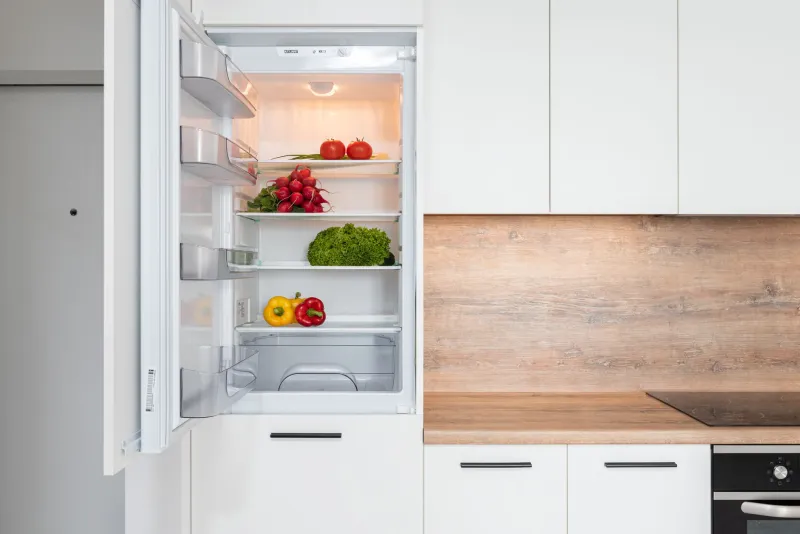
I consider myself a reasonably with-it grocery shopper. I read labels. I buy the whole-grain version of things. I know about added sugars. And yet, when I asked my friend Maria — a registered dietitian who works with families here in Ohio — to go through our fridge and pantry like it was her job (because it is), I learned a lot in forty-five minutes.
I took notes on everything, mostly so I could argue with her later. I barely argued at all. Here's the honest audit, what she flagged, and the six swaps she suggested — with what happened when we actually made them.
First, What She Said Was Fine
I braced for a lecture and instead got validation, which I mention because I think most of us assume we're doing worse than we are. She gave a thumbs-up to our frozen vegetables ("frozen is just as nutritious, and cheaper — keep buying them"), our eggs, plain Greek yogurt, the bagged salads I feel vaguely guilty about, and the apples the kids actually eat.
"Your foundation is good," she said. "Now let's look at the stuff you're not seeing."
What She Flagged
The flavored yogurt situation. Four kinds of fruit-on-the-bottom yogurt that she clocked at around 12 to 17 grams of sugar each — more than a glazed doughnut in some cases. "You're already buying plain yogurt," she pointed out. "You're buying it twice."
The 'whole grain' bread that wasn't. The first ingredient was enriched wheat flour. The words "whole grain" on the front were doing a lot of heavy lifting. She flipped the loaf over, pointed to the fiber line — 1 gram — and just raised an eyebrow at me.
Our pasta sauce. A jar of the sauce I always buy had added sugar listed in the ingredients. "Tomatoes are sweet enough," she said. "Compare two jars and pick the one without sugar in the first five ingredients."
The juice. We were going through a big bottle of apple juice a week. She didn't say dump it — she said the kids were getting the sugar without the fiber that makes whole fruit filling.
Granola bars masquerading as a health food. Second ingredient in our pantry staple: sugar. Third: rice syrup, which is... sugar wearing a costume.
The protein gap. Her biggest structural note: our breakfasts and snacks were almost entirely carbs, which is why everyone was "starving" ninety minutes after eating. She wanted to see protein and fiber at more meals, not a pantry overhaul.
The Six Swaps (and the Two-Week Report)
1. Plain yogurt + a jam or honey station
Instead of buying flavored yogurt cups, we buy the big tub of plain and let the kids stir in a teaspoon of jam, honey, or frozen berries. Two weeks later: the kids complained for exactly three days, then stopped noticing. It costs about a third of what the cups did.
2. Actually-whole-grain bread
First ingredient must say "whole" — whole wheat, whole grain. Fiber at 3 grams or more per slice. Two weeks later: nobody can tell the difference on sandwiches, and the bread keeps everyone full until lunch, which the teacher in me appreciates.
3. A no-added-sugar pasta sauce
Same price at our Kroger, just a different jar. Two weeks later: a total non-event. I cannot believe I was paying extra for sugar in tomato sauce for years.
4. Water first, juice as a "sometimes"
We bought fun water bottles for the kids and made juice a weekend thing instead of an everyday thing. Two weeks later: this was the hardest one. The first week involved negotiations. But by week two, water with dinner was just normal, and our juice budget evaporated — that alone was saving us about $6 a week.
5. DIY snack bags
Instead of granola bars, we portion out pretzels, popcorn, and nuts into reusable bags on Sunday. Two weeks later: honestly, we still keep a box of bars for car trips, but the everyday snacking got cheaper and the kids like "their" snack bags.
6. A protein anchor at breakfast
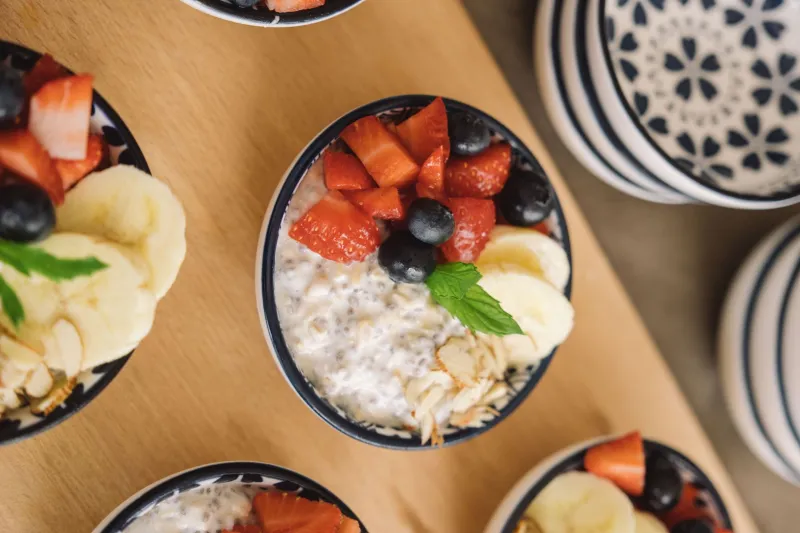
Eggs, the plain yogurt, or peanut butter toast with milk — something with staying power at the first meal. Two weeks later: the 10 a.m. "MOM I'M HUNGRY" chorus has gone quiet. This was the single biggest quality-of-life improvement of the whole audit.
The Money Part Nobody Talks About
Here's the thing that surprised me most: eating this way costs less. The swaps weren't specialty products — they were the store-brand versions of what we already bought, minus the markup for added sugar and marketing. Our weekly grocery total dropped roughly $15 to $20, mostly from juice, yogurt cups, and snack bars.
If You Do One Thing
Maria's parting advice was this: don't overhaul anything. Pick one swap — she votes for the breakfast protein, because hungry kids make everything harder — and live with it for two weeks before adding another.
That's exactly how we did it, one swap at a time, and that's why it stuck. Our fridge isn't perfect. There's still ice cream in the freezer and I have no plans to change that. But the everyday stuff quietly got better, cheaper, and easier — which is kind of the whole mission around here.