The One-Hour Pantry Reset That Slashed Our Grocery Bill (Painter's Tape Required)
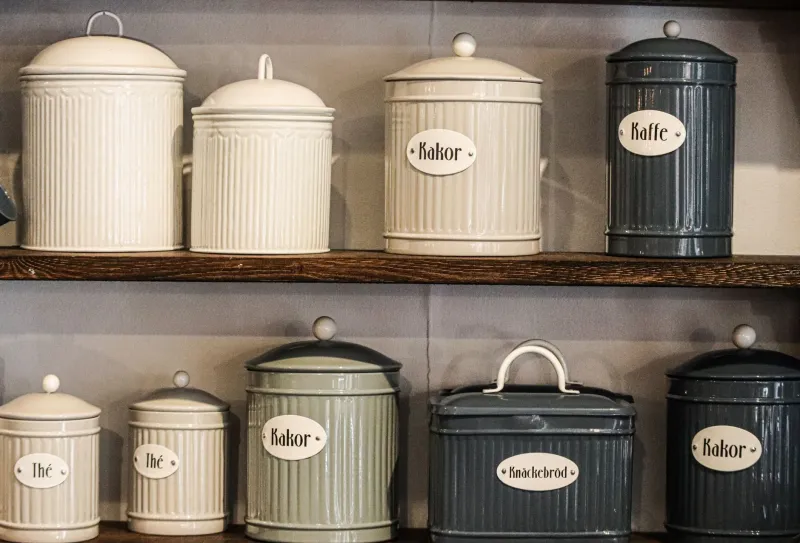
I want to tell you about the least glamorous hour I've spent on my health journey in years: the hour I stood in front of my pantry with a roll of blue painter's tape and a legal pad.
Nothing about it felt revolutionary in the moment. My kids thought I'd lost it a little, labeling a bag of frozen corn like it was going somewhere. But that one hour — and the goofy little system it spawned — cut our grocery spending by roughly 30% over the following two months. More importantly, it stopped the nightly 5 p.m. panic of "what do we even have?"
Here's how it works, and how you can steal it for your own kitchen.
Why Our Pantry Was a Black Hole
Like a lot of American families, we had plenty of food. We just had no idea where it was.
Three bags of open penne. A can of black beans hiding behind the potatoes. Freezer chicken from... sometime? The problem wasn't scarcity — it was invisibility. Invisible food gets re-bought, and re-bought food gets forgotten, and forgotten food eventually gets thrown out. The USDA estimates the average American household tosses hundreds of dollars' worth of food every year, and I'd bet our house was on the generous end of that average.
The fix wasn't a fancy app or a $40 pantry organizer set from a big-box store. It was tape, a marker, and honesty.
Step One: The Great Emptying (Sort Of)
I didn't take every single item off the shelf — that's a weekend project, not an hour. Instead, I worked one zone at a time: baking goods, canned goods, grains and pasta, then the freezer.
For each zone, I wrote down three things on my pad:
- What it is (be specific — "diced tomatoes," not just "tomatoes")
- How much (two cans? half a bag?)
- The date (either the expiration date or, for freezer items, the mystery-date question: when did this go in?)
Step Two: The Painter's Tape Trick
This is the part that sounds silly but does the heavy lifting. For anything without a clear date — freezer bags, leftovers, opened crackers, that half-used block of cheese — I wrote the date on a small strip of painter's tape and stuck it right on the package.
Why painter's tape and not a permanent marker? Because it peels off cleanly. You can relabel the same container a dozen times without scrubbing off Sharpie or ruining your storage containers. A single roll costs about a dollar and will last you years.
That little strip of tape did something psychological, too. Once something had a date on it, I stopped treating it as background furniture. A bag of frozen peas marked "Oct 12" stops being scenery and starts being dinner.
Step Three: Post the List Where You'll See It
I taped the finished inventory to the inside of the pantry door. Not in a binder, not in an app I'd forget to open — right on the door, where I stand every single day deciding what's for dinner.
When I meal plan on Sundays, I don't start with recipes and build a shopping list. I start with the door. What's in there that needs to move? Those items become the backbone of the week's dinners, and the shopping list only fills the gaps.
Step Four: Declare an 'Eat-Down Week'
Once a month — or whenever the grocery budget feels tight — we run what I call an eat-down week. The rule is simple: we cook from the pantry and freezer first and buy only fresh staples like milk, eggs, and produce.
Our first eat-down week produced some genuinely great dinners:
- Black bean and corn skillet with rice (all shelf-stable, plus a lime that was living its last days in the crisper drawer)
- A "clean out the freezer" stir-fry using frozen broccoli, half a bag of carrots, and chicken I'd forgotten about entirely
- Tuna noodle casserole from three partial bags of pasta, which my kids now request on purpose
Was every meal a masterpiece? No. But nobody felt deprived, and the week's grocery run came in at about half of what we'd normally spend.
The 10-Minute Maintenance Habit
The system only works if it doesn't rot. So here's the maintenance: once a week, I spend ten minutes updating the list. New items get added, used items get crossed off, and anything approaching its date gets flagged with a little star — meaning it stars in this week's meals.
That's it. One hour to set up, ten minutes a week to maintain, one roll of tape.
What Actually Changed
The savings were real — our weekly grocery run dropped noticeably once we stopped double-buying and started eating what we owned. But the bigger shift was mental. Grocery shopping stopped feeling like stocking a bunker and started feeling like topping off a system that already works.
And there's a wellness angle here that goes beyond money: eating from your pantry means eating food you already committed to, instead of impulse buys. Our eat-down weeks tend to be our simplest, most home-cooked weeks. Fewer packaged convenience runs, more actual meals at the table.
If your pantry is currently a mystery box, I'd challenge you to give this one hour a try. Grab the tape, grab a pad, and get honest about what you own. Your wallet — and your 5 p.m. self — will thank you.