Four Water Bottles by the Door: The Two-Week Experiment That Fixed Our Afternoons
Here's the scene I got tired of: it's 3 PM, the kids are home from school, and the living room has turned into a whine-and-crackers situation. I'm reaching for my third cup of coffee and wondering why I feel foggy, headachy, and vaguely annoyed at everyone.
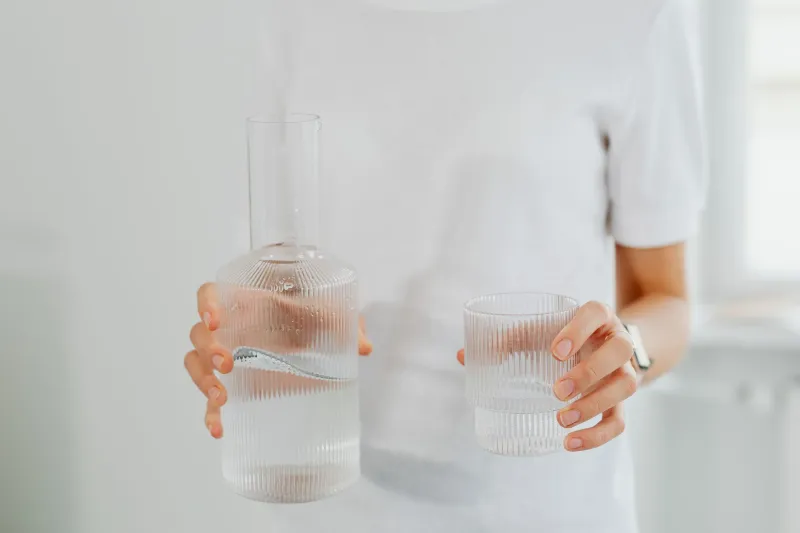
So when a friend — a pediatric nurse, naturally — offhandedly said, "Half of what you're describing sounds like dehydration," I decided to stop rolling my eyes and start testing. The rules were simple, almost embarrassingly so. Two weeks. Four water bottles. Filled every morning and placed by the front door before anything else happened.
The Setup (It Took Five Minutes)
We already owned water bottles — the problem was that they lived in cabinets, gym bags, and under car seats. Every morning, I'd fill them and set them in a line by the door we all walk through. Nobody leaves without grabbing theirs.
- Mine: a 32-ounce insulated bottle
- My husband's: same size, because he's a good sport
- The kids: 20-ounce bottles with the flip tops they picked out themselves (this matters more than you'd think)
The goal wasn't a specific number of ounces. It was just: bottle in hand, sips happening, refills encouraged. No charts, no nagging app, no gold stars.
Week One: The Cranky Phase
Nobody's favorite week, honestly. The kids forgot their bottles constantly, which meant turning around two blocks from school. My husband asked why the coffee maker suddenly required a water bottle toll.
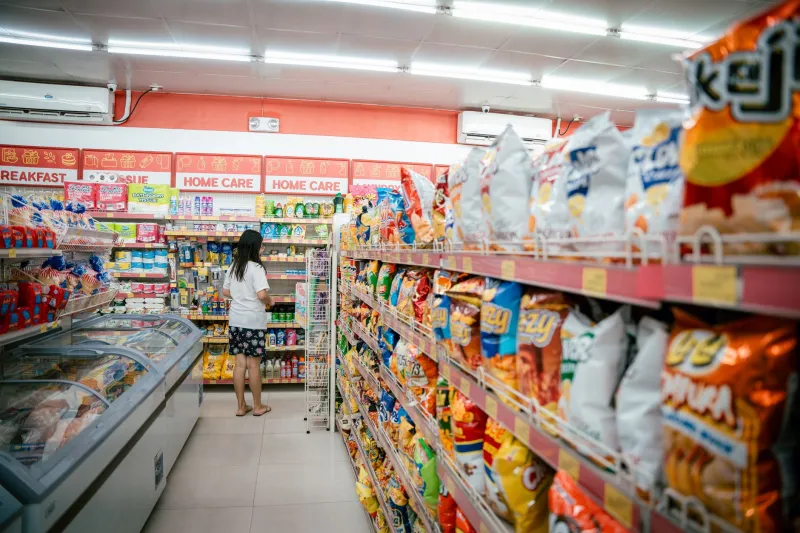
But something interesting happened by day four: I noticed I wasn't hitting the vending machine at the library where I volunteer. Usually around 2:30, I'd be fishing for quarters. That week, I made it to dinner prep without a single snack ambush.
Turns out there's a real reason for that.
When Thirst Dresses Up as Hunger
This was the part that changed how I see our afternoons. The human brain is genuinely bad at telling the difference between "I need water" and "I need a snack." Mild dehydration triggers signals — a dip in energy, a hollow feeling, trouble concentrating — that we've all been trained to answer with food.
For kids it's even more pronounced. Their bodies are smaller and they lose water faster, especially during recess and gym class. A child who seems "hungry" an hour after lunch might just be running on empty in the fluid department.
The other signals worth knowing:
- Headaches in the late morning or mid-afternoon — a classic dehydration sign, especially in school classrooms with dry air
- Yawning and droopy eyes even after decent sleep
- Cranky, tearful, or short-fused moods (in kids and adults)
- Dry lips or noticeably darker urine — the least glamorous but most reliable check there is
If a snack doesn't fix the feeling in twenty minutes, it probably wasn't hunger in the first place. That's become our family's new test.
Week Two: The 3 PM Turnaround
By the second week, the bottles by the door had become automatic. And the afternoons? Noticeably different.
The 3 PM crash didn't disappear entirely — I'm not here to sell you magic — but it softened. The kids came home asking for apple slices instead of melting down over pretzels. My own headaches, which I'd been having two or three times a week, showed up exactly once that week.
My husband, who works from home, reported that his post-lunch fog lifted faster. He also noted, with some suspicion, that he'd stopped craving his 3 PM bag of chips. I told him that's the hunger-versus-thirst thing doing its work.
What Made It Stick (and What Almost Didn't)
A few honest takeaways if you want to try this at your house:
The bottle has to be visible and personal. Bottles the kids chose themselves got used. The boring spare one got ignored. And the door location was everything — if it's not in the path of something they already do, it won't happen.
Flavor helps, within reason. A squeeze of lemon or a few frozen berries made the second half of the bottles far more appealing to the kids. I draw the line at anything with dye or a mascot on the label.
Refill culture matters. We put a pitcher of water at kid-height in the fridge. Independence is the whole game — I don't want to be the hydration department forever.
Don't panic about nighttime. We taper sips after dinner mostly to protect everyone's sleep, because nobody in this house needs a 2 AM bathroom run.
The Bottom Line
Two weeks in, the water bottles by the door have earned a permanent spot in our routine. It cost us nothing, took five minutes a day, and quietly solved a problem I'd been trying to fix with snacks, coffee, and willpower for years.
If your household has a daily slump that no one can explain, try this before you try anything else. Fill the bottles, put them where you can't miss them, and see what your afternoons look like a week from now.
And if you spot me at school pickup with a water bottle in hand and a kid with a matching one? Now you know why.