The Recipe Box in My Mom's Kitchen Beat My $12 Wellness Cookbooks
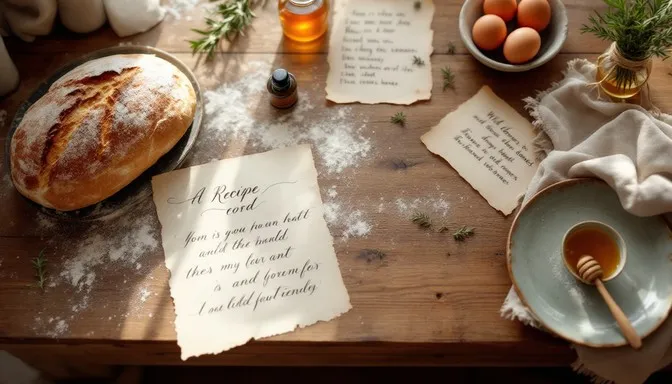
Photo: vintage handwritten recipe cards on wooden kitchen table, via images.stockcake.com
Last month I did something I'd been putting off for years: I asked my mom to loan me the battered recipe box she's kept since before I was born. Not to preserve it. Honestly, I wanted to prove a point.
My theory going in was that these old dishes — the ones I grew up on in our Ohio kitchen in the '90s — would be dated. Heavy. The kind of food I'd quietly replaced years ago with grain bowls and sheet-pan everything. I figured I'd test a few, note the sodium and saturated fat with a wince, and write a gentle piece about updating family classics.
That is not what happened. Instead, I spent a week with a notebook, a calculator, and a slowly growing sense that my mother — who never once used the word "macronutrient" — had been cooking circles around my Pinterest board this whole time.
The Test: Old Cards vs. My Trendy Bookmarks
Here's how I set it up. I pulled seven recipes from the box — the ones I actually remembered eating — and matched each one against a comparable "wellness-style" recipe I'd saved from popular food blogs. Then I compared three things: cost per serving using my regular grocery store prices, active prep time, and the ingredient list itself.
I'm not going to bury the lede. The recipe cards won, and it wasn't close.
What Was Actually in Those Cards
The first thing that struck me was the ingredient lists. Mom's recipes run short. Her cabbage and white bean soup? Eight ingredients, six of which I always have on hand. The baked chicken and rice dish I ate every Thursday growing up? Chicken thighs, rice, an onion, a can of tomatoes, some paprika. That's it.
Compare that to the trendy versions I'd saved, which routinely called for specialty items — a specific chili crisp, hemp hearts, a jar of something labeled "umami paste" that cost $7 and got used once. My mom's cooking was, whether she knew it or not, almost entirely whole foods. Nothing engineered. Nothing with a marketing budget. Just ingredients my grandmother would have recognized.
When I ran the numbers, the old recipes averaged around $1.85 per serving to make. The trendy equivalents averaged closer to $4.60. For a family of four, that difference adds up to real money over a month — we're talking $75 or more, which around here is a utility bill.
The Nutrition Surprise
I went into this expecting the old dishes to be nutritional losers, and a few genuinely needed work. Her famous beef and noodle casserole was heavy on salt and short on vegetables — no surprise there. But most of the box told a different story.
Her lentil and vegetable stew delivers about 16 grams of fiber and 15 grams of plant protein per bowl. The bean-and-greens soup I grew up calling "poverty soup" (kids are charming) is essentially the Mediterranean-diet dish that wellness writers now charge for meal plans. Her roast chicken with root vegetables? One pan, lean protein, a rainbow of vegetables, and leftovers that became soup the next day — which, it turns out, is exactly the batch-cooking strategy I once wrote a whole article about as if I'd invented it.
The biggest lesson wasn't any single recipe. It was the structure. Almost everything in that box follows the same quiet formula: a legume or modest portion of meat, a grain or potato, whatever vegetables were in season, and herbs instead of heavy sauces. Nutrition researchers have been trying to get Americans to eat this way for decades.
Where the Old Ways Genuinely Needed an Update
I'm not romanticizing everything. A few honest tweaks made these recipes work even better for how we eat now:
- Salt: Several recipes called for salting at every stage. I cut it roughly in half and leaned on garlic, paprika, and lemon to pick up the slack. Nobody noticed.
- Vegetables: Most dishes had one vegetable, maybe two. I doubled them almost everywhere — extra carrots in the stew, a bag of spinach stirred into the bean soup at the end. Cheap, easy, and it stretched each pot another serving or two.
- Fat: A couple of recipes leaned hard on butter or bacon grease as the flavor base. Swapping in olive oil for most of it changed nothing that mattered.
That's the whole list. Three small adjustments, and these dishes are as nutritionally solid as anything I've paid for in a cookbook.
The Part I Didn't Expect
Here's what really got me, though. The week I cooked from the box, my kids asked what was for dinner with actual curiosity instead of dread. My ten-year-old requested "the soup Grandma makes" twice. And when I told them these were dishes I ate at their age, the dinner table turned into story time — about my mom's kitchen, my grandmother's garden, the Thursday chicken.
You can't put that on a nutrition label. But I've become convinced it's part of why these meals worked. Food with a story gets eaten. Food with a story gets requested. And a meal your kids actually finish beats a macro-perfect one they push around the plate.
Try This at Home
If you have a parent or grandparent with a recipe box, a shoebox of cards, or even a church cookbook with their handwriting in the margins, borrow it. Pick three recipes. Make them as written first, then adjust the salt, double the vegetables, and see what your family thinks.
And if nobody in your life kept recipe cards? The good news is that this style of cooking — beans, grains, seasonal vegetables, simple roasts — is all over old community cookbooks and library shelves, usually for free.
My mom's recipe box is going back to her kitchen this weekend, but not before I photograph every card. Turns out the healthiest meal plan I've ever run was sitting in her kitchen the whole time, written in pencil, costing about two dollars a serving.
She has not let me forget this. She's earned it.