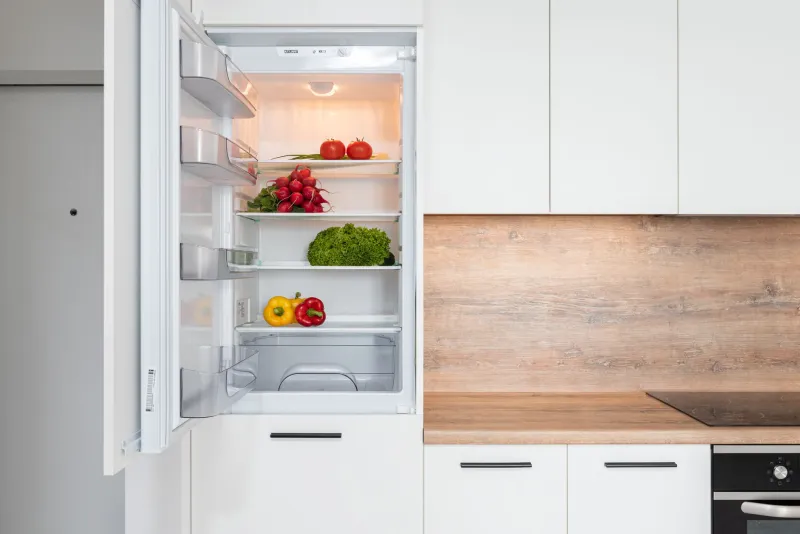
Five Cups a Day: The Produce Habit That Kicked Our Vitamin Bottles to the Curb

Last January, I counted. Between my husband's multivitamin, the kids' gummies, my vitamin D drops, and a half-used bottle of something called "energy B-complex," we were spending about sixty dollars a month on supplements. Sixty dollars. For context, that's roughly what I now spend on produce for two full weeks.
The kicker? Half those bottles sat expired in the cabinet. The kids fought the gummies. I forgot my drops more often than I remembered them. Sound familiar?
The Day Our Pediatrician Said the Quiet Part Out Loud
At my youngest's checkup, I asked which vitamin brand she recommended. She shrugged and said, "Honestly? For most kids eating a reasonably varied diet, food does the job better. If you want to spend money, spend it at the grocery store."
Then she gave me a framework so simple I almost laughed: think of it as five cups a day. Not the official USDA "cup equivalents" with their ounce conversions — just five literal measuring cups of fruits and vegetables across the whole family's day. One cup at breakfast, two at lunch and dinner combined, and a couple snacks filling the gaps.
Could we do that without a spreadsheet or a degree in nutrition? Turns out, yes.
What Our Five Cups Actually Look Like
Here's a real Tuesday from last week:
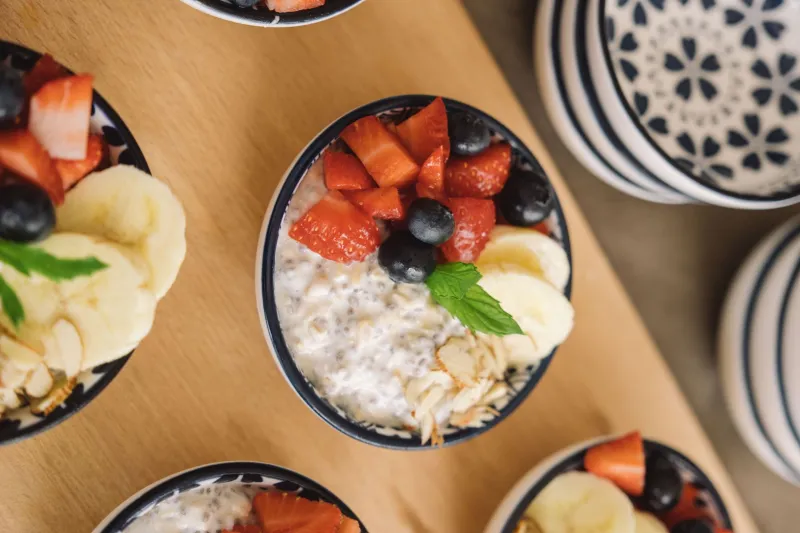
- Cup 1 — Breakfast: Frozen blueberries and a banana tossed into oatmeal while the coffee brewed.
- Cup 2 — Lunchboxes: Baby carrots with a swipe of ranch, plus apple slices.
- Cup 3 — After-school snack: Cucumber coins and cherry tomatoes in a bowl on the counter. (Leaving food out where kids wander is a legitimate strategy, I've decided.)
- Cups 4 and 5 — Dinner: A big sheet pan of broccoli and bell peppers roasted alongside the chicken thighs, plus a simple side salad.
That's it. No juicing. No spirulina. No fifty-dollar smoothie habit.
The trick I stumbled into: count cups, not variety points. Some nights, two of the five cups are just green beans. Fine. The goal is volume and consistency, not a rainbow every single meal.
The Budget Part (Because Vitamins Weren't Cheap Either)
When people hear "more produce," they picture organic everything and a Whole Foods receipt that hurts. Ours looks different:
- Frozen is our backbone. Frozen broccoli, mixed berries, and stir-fry blends cost a fraction of fresh and don't rot in the crisper drawer while I look away.
- Carrots, bananas, apples, and cabbage are the workhorses — all under about $1.50 a pound around here, available at any Aldi or Walmart.
- In-season only for fresh splurges. Strawberries in June, oranges in January. Off-season berries are a frozen-only item in our house.
- The ugly produce bin. Our grocery store sells bagged "misfit" vegetables cheap, and my kids can't tell a crooked carrot from a straight one once it's roasted.
When I actually ran the numbers, shifting the supplement budget to produce left us with money left over. The five cups were cheaper than the bottles we weren't opening.
When Supplements Actually Are the Answer
I want to be careful here, because our pediatrician was equally clear about the other side. Some situations genuinely call for supplements, and this is not a DIY call:
- Vitamin D for breastfed infants, and often for kids in northern states during winter — our whole family takes drops from roughly November to March because sunshine in Michigan is a rumor by then.
- Iron, if bloodwork shows low levels. This came up for a friend's tween and it's not something food alone fixed quickly.
- B12 for families eating strictly vegan, per our doctor's guidance.
- Prenatal vitamins, obviously, for anyone pregnant or trying.
The takeaway she gave me: supplements fill specific, identified gaps. They're not an insurance policy for a diet running on goldfish crackers and hope. If you're unsure, ask at your next well visit rather than guessing — a simple conversation beats a cabinet full of bottles.
Three Tips If You Want to Try the Five-Cup Thing
- Prep the moment you unpack groceries. Ten minutes of washing and cutting on Sunday (my other favorite ten minutes of the week) means the cups assemble themselves on busy nights.
- Put one cup where the kids already are. Ours lives on the kitchen island. Visibility does more than any dinnertime lecture ever has.
- Let frozen count fully. It's picked at peak ripeness and often more nutritious than the "fresh" produce that's been trucked around for a week. Nutritionists have been saying this for years; I just didn't want to hear it.
Six Months Later
The vitamin cabinet is down to one bottle of vitamin D for winter. The sixty dollars a month now buys berries, broccoli, and the cherry tomatoes my seven-year-old eats like candy. Nobody has turned orange, nobody has scurvy, and the dinnertime fight about vegetables has mostly dissolved — because the vegetables stopped being a battle and started being background noise.
Five cups. That's the whole system. Sometimes the boring answer really is the one that works.